Q:What Are Sanitary Pads Made Of?
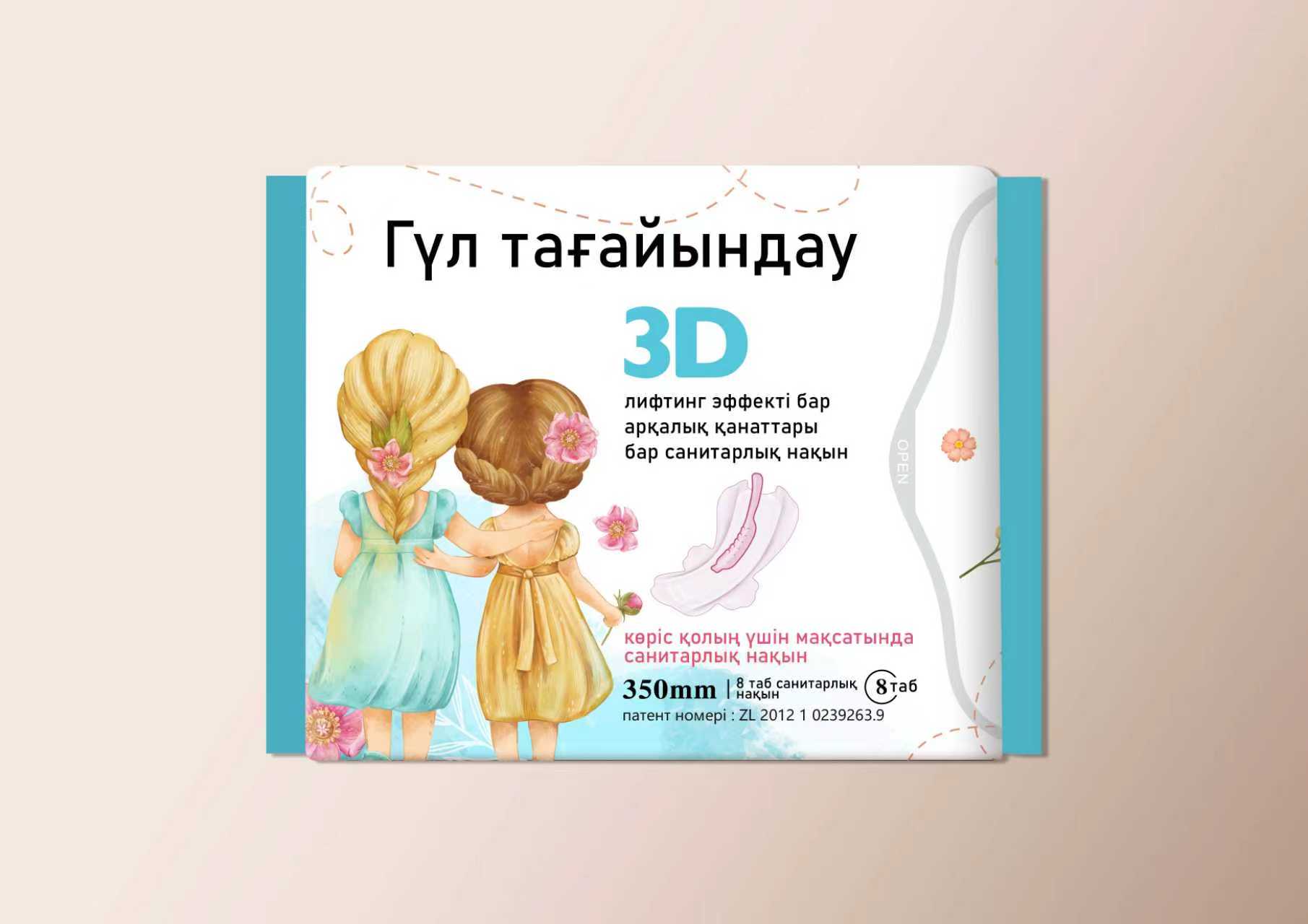
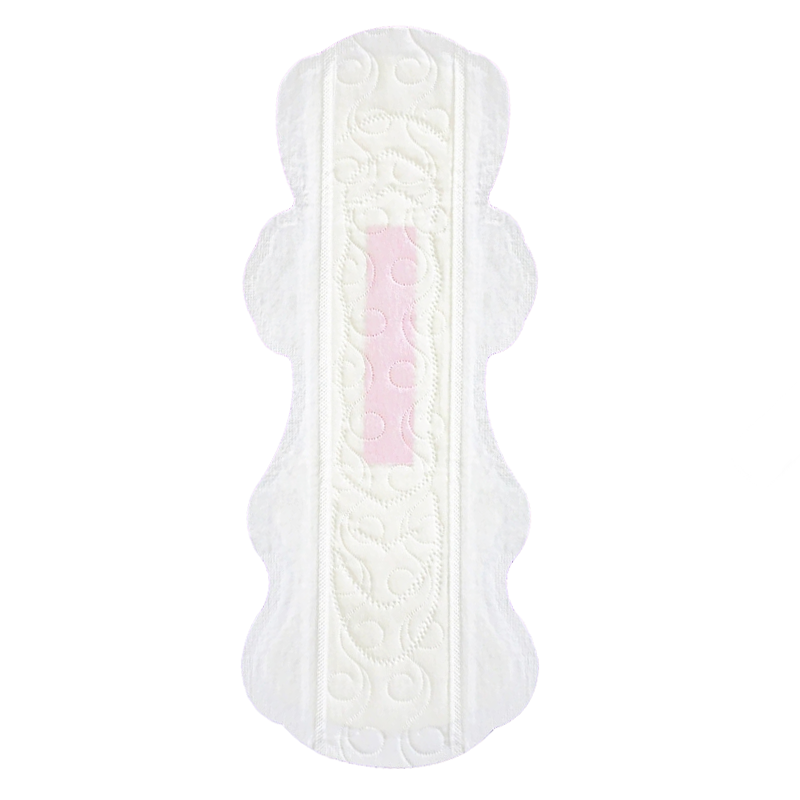
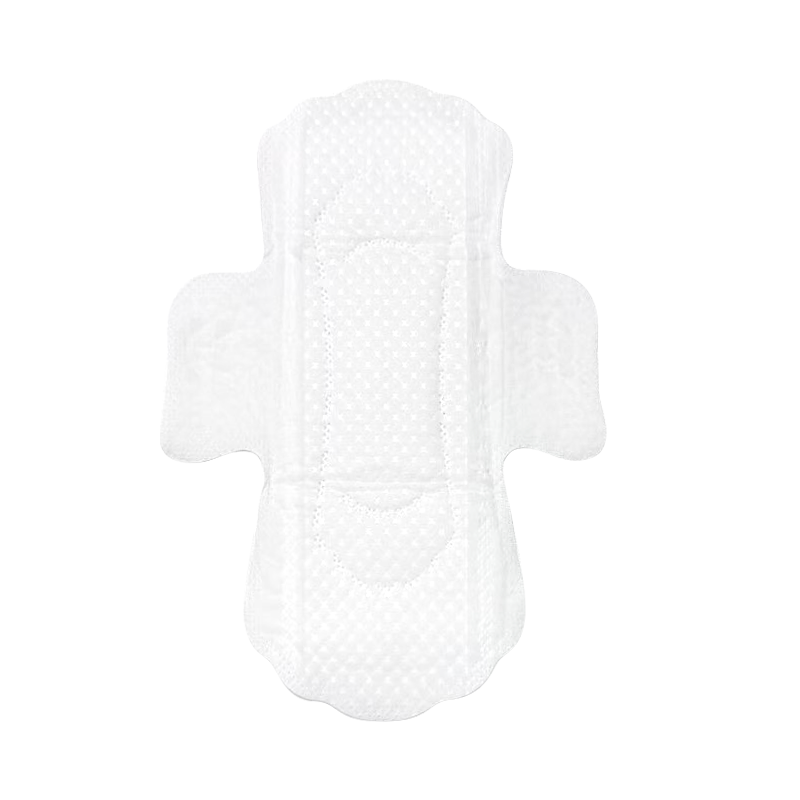
Sanitary pads are typically made from several layers of materials designed for absorption and comfort. The top layer is often a soft, non-woven fabric that allows fluid to pass through quickly while keeping the skin dry. Beneath this, an absorbent core, usually composed of wood pulp or superabsorbent polymers (SAP), traps moisture. A waterproof backing layer, made from polyethylene or similar materials, prevents leaks. Many pads also include adhesives to secure them in place and may have wings for extra protection.
From an environmental perspective, traditional sanitary pads are largely made from plastics, such as polyethylene and polypropylene, which contribute to landfill waste. However, eco-friendly alternatives use biodegradable materials like organic cotton, bamboo fibers, and compostable backings. It's important to check the ingredients if you're concerned about sustainability, as some brands are shifting towards more natural and reusable options to reduce environmental impact.
The core components of sanitary pads include a topsheet for comfort, an absorbent layer often with cellulose fluff pulp and SAPs that can hold many times their weight in liquid, and a barrier film to prevent leakage. Additives like fragrances or chlorine-free bleaching agents might be used in some products, but these can cause irritation for sensitive skin. Always look for hypoallergenic options if you have allergies.
Sanitary pads are crafted to provide hygiene during menstruation, using materials that prioritize safety and comfort. Common elements include cotton or rayon for the surface, absorbent gels in the core, and a leak-proof base. For those with sensitive skin, pads made from 100% organic cotton without chemicals are recommended to avoid rashes or infections. Always follow proper disposal methods to maintain personal and environmental health.
Did you know that sanitary pads have evolved over time? Early versions used cloth or paper, but modern pads incorporate advanced materials like superabsorbent polymers derived from petroleum, which make them thin yet highly effective. The manufacturing process involves bonding these layers together with heat or adhesives. If you're curious, you can often find detailed material lists on product packaging or brand websites to make informed choices.